Buying an investment property in Western New York isn’t just about finding a nice-looking house or a cheap price. If the rental demand isn’t there, the deal can fall apart fast.
Strong rental demand is what keeps your unit filled, your cash flow consistent, and your investment stable long-term.
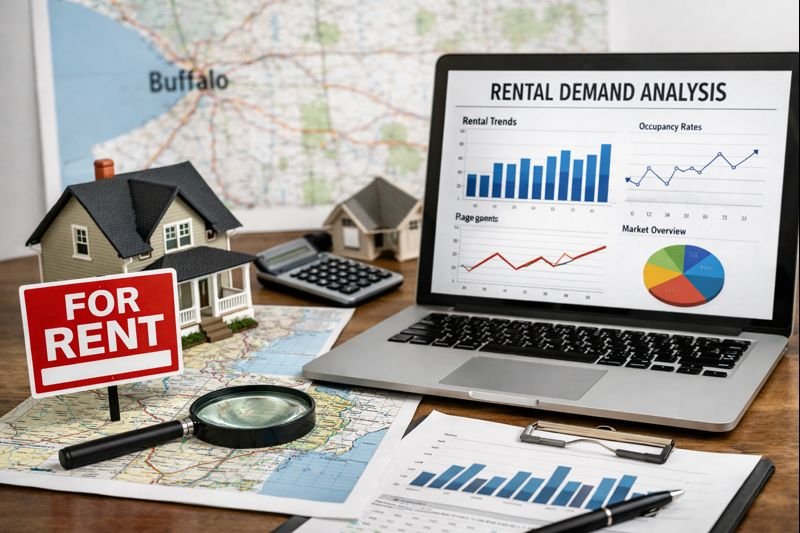
This guide breaks down how investors can analyze rental demand in WNY before buying, and what I look for when helping buyers choose a property that actually makes sense financially. Rental demand is what keeps your vacancy low, your rent stable, and your investment predictable.
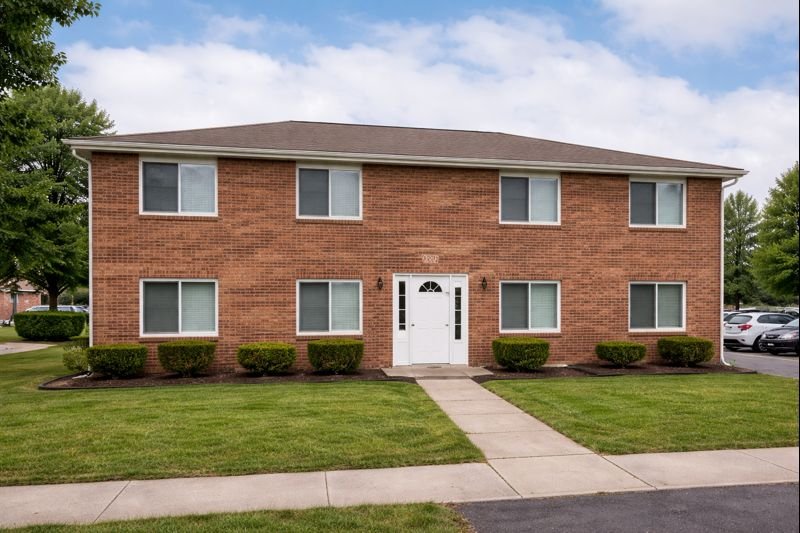
What Rental Demand Actually Means (and Why It Matters
Rental demand means people actively want to live in that area, at a rent price that works for the numbers.
If demand is strong, you’ll usually see:
Units renting quickly
Fewer vacancy gaps between tenants
More qualified applicants
Better rent stability over time
Less pressure to “discount rent” just to get someone in
If demand is weak, you’ll see the opposite, longer vacancies, lower rents, and tenants who are harder to qualify.
And that’s where investors get burned
1. Look at What Actually Rents (Not Just What’s Listed)
This is one of the biggest mistakes I see investors make.
They look at rentals listed online and assume that’s the real market rent.
But the real question is:
What is renting, how fast, and for how much?
Listings can be overpriced. Some sit for weeks because the rent is unrealistic.
What matters is the rent that gets accepted and the unit that gets filled.
When I help investors, I focus on the “real-world rent” that a property can pull consistently, not a best-case number.
2. Pay Attention to Unit Type (Because Demand Changes by Property Style)
In Western New York, rental demand depends heavily on the type of property.
Here’s what I see most often:
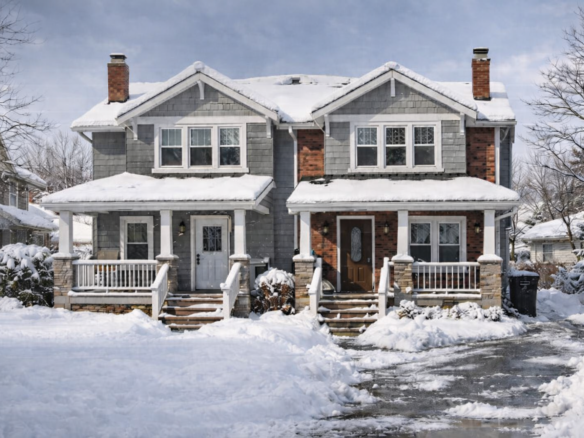
Duplexes and 2–4 unit properties
These are popular with investors because they can create strong cash flow, especially when the units are clean and functional.
Single-family rentals
These can rent very well in the right areas, especially for tenants who want a yard, driveway, or extra space.
Apartments and small mixed-use properties
These can work too, but demand varies a lot based on parking, layout, and location.
The goal is to buy the type of property that renters in that neighborhood actually want.
3. Know What Renters in WNY Expect
Rental demand isn’t only about location. It’s also about what renters expect for the price point.
Some things that make units rent faster in Western New York:
Off-street parking
Laundry hookups or access
Updated kitchens and baths (even basic updates help)
Clean basements (especially in Buffalo-style homes)
Separate utilities when possible
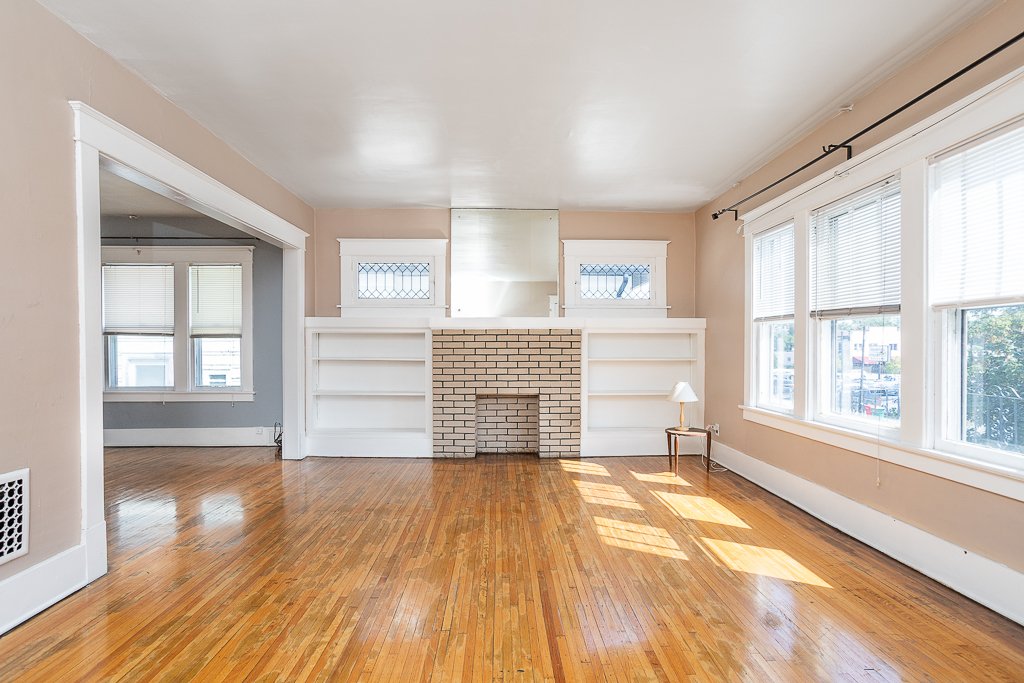
Good layout and natural light
A “safe and simple” feel inside the unit
You don’t need luxury. You need the unit to feel solid, clean, and worth the rent.
4. Check Vacancy Trends (Even if You Don’t Have Exact Numbers)
You don’t need a perfect report to spot weak rental demand.
You can usually tell by looking at patterns like:
Lots of rentals sitting on the market
Price reductions happening often
Units with incentives like “first month free”
Properties constantly re-listed every couple months
Poor condition rentals dominating the area
If you’re seeing that kind of activity, it doesn’t always mean “don’t buy,” but it does mean you need to run the numbers more conservatively.
5. Look at the Neighborhood Like a Tenant Would
This part matters more than investors think.
Tenants don’t buy based on appreciation charts. They choose where they live based on real-life convenience.
Rental demand is usually stronger near:
Major employers and hospitals
Colleges and universities
Main roads and commuter routes
Shopping, grocery stores, and everyday services
Walkable streets or neighborhoods with sidewalks
Areas with stable pride of ownership
When I’m helping an investor choose an area, I’m always thinking:
Would a tenant feel good living here, and would they stay?
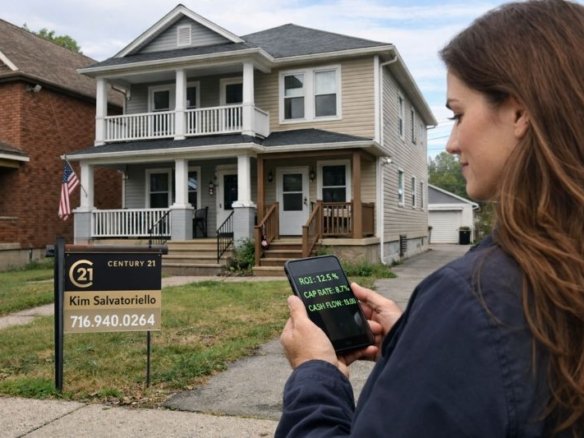
6. Run the Numbers With Realistic Rent (Not the Highest Rent You Found Online)
This is where smart investors separate themselves.
Even if the area is strong, rental demand doesn’t matter if the deal is too tight.
When I help buyers evaluate rental demand, I also make sure they’re not overestimating rent.
I want the property to work with:
Conservative rent
Realistic maintenance
Vacancy factor
Repairs and long-term replacements
That’s how you build something stable, not something that breaks the second you have one vacancy.
7. Match the Property to What Renters Actually Need
Rental demand is strongest when the property fits what people are searching for in that neighborhood.
When I help investors evaluate demand, I focus on practical things like:
parking and driveway access
laundry access
number of bedrooms and layout
storage space
utilities (separate vs shared)
how close it is to major roads, employers, and daily conveniences
overall condition and “move-in ready” feel
When the property matches what renters expect for the price point, it rents faster and stays occupied more consistently.
Want Help Analyzing Rental Demand Before You Buy?
If you’re thinking about buying investment property in Western New York, I can help you analyze rental demand the right way before you commit.
Here’s what I’ll help you confirm:
What rent is realistic (not just what’s advertised online)
Which unit types rent fastest in that neighborhood
How long rentals are sitting before they lease
What renters expect at that price point
Which deals look good online but don’t work financially
Reach out anytime and I’ll help you run the numbers and make sure the investment actually makes sense.
Local Investor Resources
If you’re planning to buy investment property in Western New York, these resources can help you make smarter decisions: